
Despite a tighter crop, the jeera market is stable; weak demand limits growth
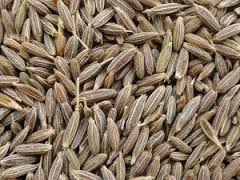
New Delhi. A delayed monsoon and prolonged rainfall during the sowing window in Gujarat and Rajasthan have affected the current season. In Gujarat and Rajasthan, seeding has decreased by 25–30% and 15–20%, respectively, and overall production is predicted to drop by over 20%. The supply picture is tightened as a result, with total output predicted at about 8 million bags as opposed to roughly 10 million bags last year.
In spite of this, mandi arrivals have been comparatively stable, especially in Gujarat, where they range from 20,000 to 35,000 bags. Given that demand is still muted due to weak exports, current market dynamics have created a perception of comfortable supply even though arrivals are still slow.
Demand-wise, domestic consumption is still modest but sustained thanks to constant offtake from wholesale markets and spice processors. Additionally, after the volatility of the previous year, pipeline supplies in major consumer hubs like Delhi and Mumbai were comparatively low, which may enable modest restocking at present price levels.
Nonetheless, export demand remains a major constraint. China’s reliance on imports has decreased as a result of increased domestic production. This is still a major bearish issue because China usually contributes for 30–40% of India’s cumin exports. Gulf markets, which account for 10–15% of exports, are experiencing uncertainty due to the disruption of trade flows and rising freight and insurance costs caused by geopolitical concerns in the Middle East.


